

The Alchemist At Work
An Aesthetic Archetype Through the Eyes of a Fragrance Strategist

What do the Catalan architect Antoni Gaudí, New Zealand filmmaker Jane Campion, Colombian writer Gabriel García Márquez, and Belgian fashion designer Dries Van Noten have in common?
They were born in different eras and countries, raised in different cultures, and worked in entirely different creative disciplines. Yet they expressed their aesthetic sensibilities in remarkably similar ways.
Gaudí saw his buildings as otherworldly sculptures. He famously said, “The straight line belongs to men, the curved line to God.”
Campion tells stories - like The Piano, An Angel at My Table and The Power of the Dog - as much through haunting landscapes and atmosphere as dialogue.
García Márquez blurred the line between myth and reality, transforming the ordinary into the magical.
And Van Noten designed dreamlike collections through unexpected combinations of color, pattern, and texture.
As I’ve shared in previous essays, I’ve constructed a framework for I call Aesthetic Archetypes that codifies patterns in the way people perceive, create, and express beauty. Each archetype is defined by a unique set of underlying values and motivations. Some are driven by precision. Others by novelty. These four artists, despite working in different media, show similar patterns. They see beauty as something transformative, emotive, and imaginative.
In the language of Aesthetic Archetypes, they are the Alchemists.


The genius of these Alchemists lies in their capacity to dream. Whether working in stone, film, fiction, or fabric, they know how to transform raw materials into emotional experiences. As I recently discovered, the same holds true for a visionaries in fragrance.
The Accidental Alchemist


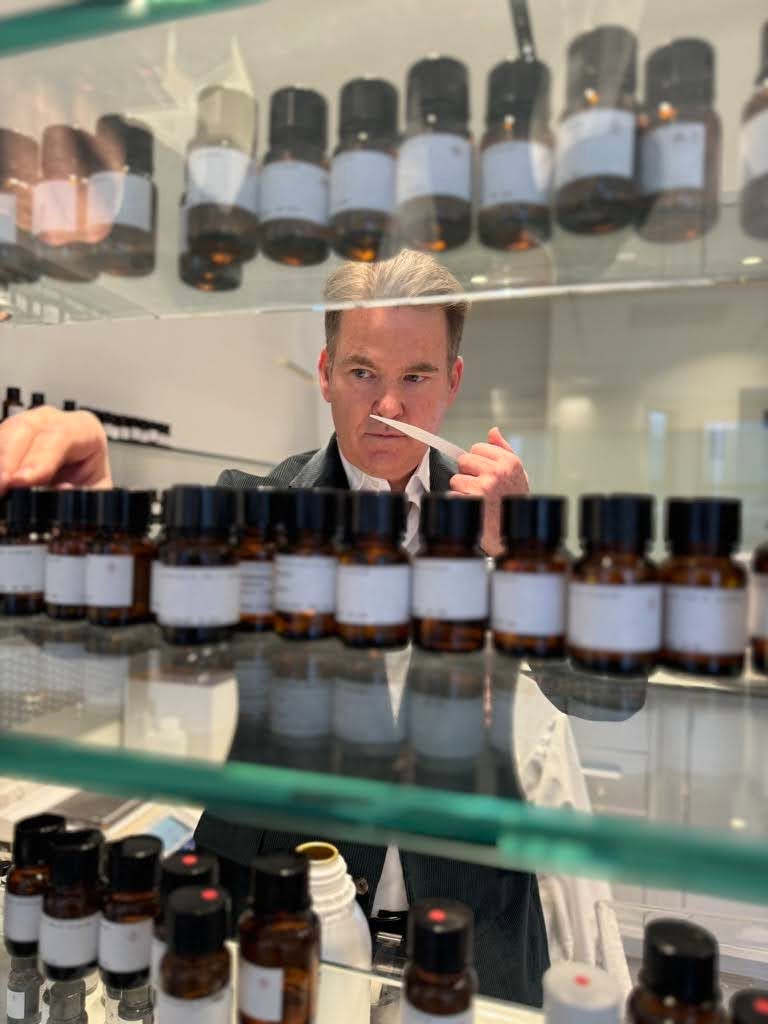
As soon as Paul Austin walked into the SiriusXM studio, I caught a distinct scent. It was warm and spicy. For a moment, it took me somewhere else entirely. Back to the Taj Palace in India. That’s the thing about Paul: he doesn’t just talk about the transportive power of scents. He embodies it.
Paul is the founder of Austin Advisory Group, an authority in fine fragrances. After two decades at Unilever and Quest (now part of Givaudan, the world’s largest flavor and fragrance company), he launched his own consultancy and now advises heritage houses as well as emerging brands on brand strategy and creative marketing. More recently, he also has partnered with companies in India to help develop the country’s homegrown luxury fragrance sector.


But none of that was part of the plan. Growing up in Adelaide, Australia, Paul had no particular interest in perfume. A training program with Unilever took him to the UK and, serendipitously, into the company's fragrance division. Before long, his work took him to Paris, despite not speaking a word of French. There, he found himself in rooms with legendary perfumers, or "noses," and visionary fashion designers, watching them build entire worlds from a single idea.
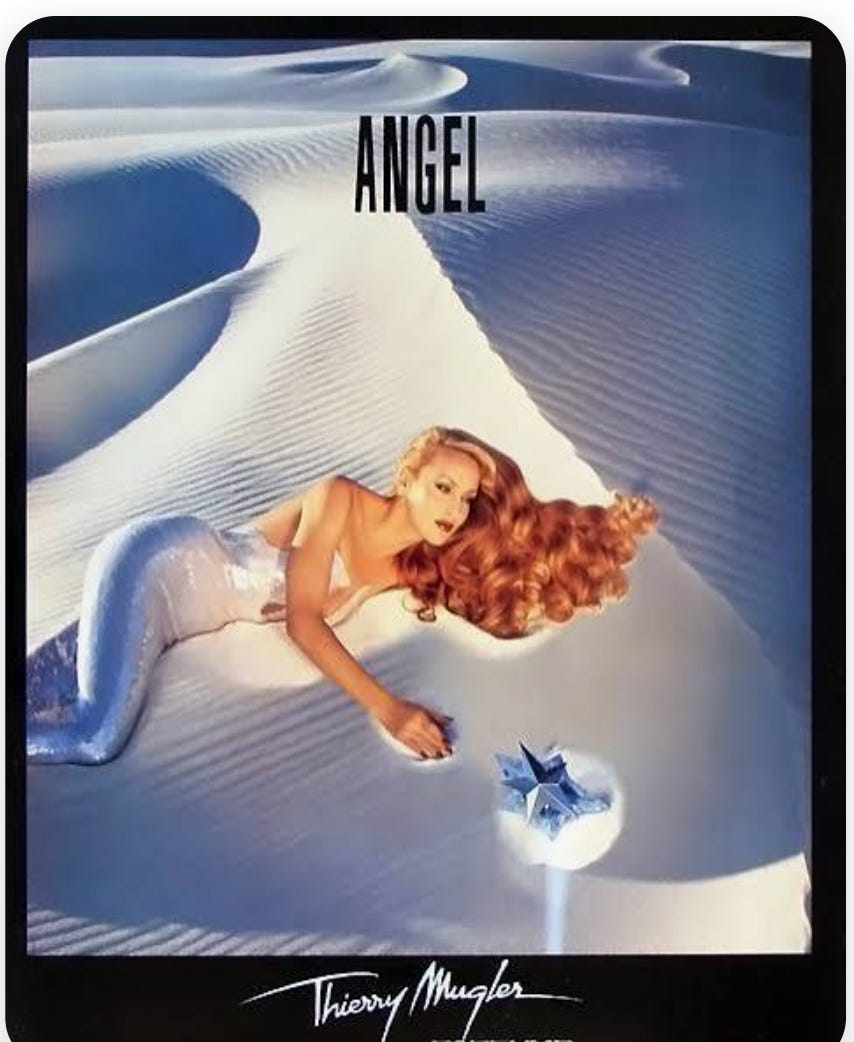
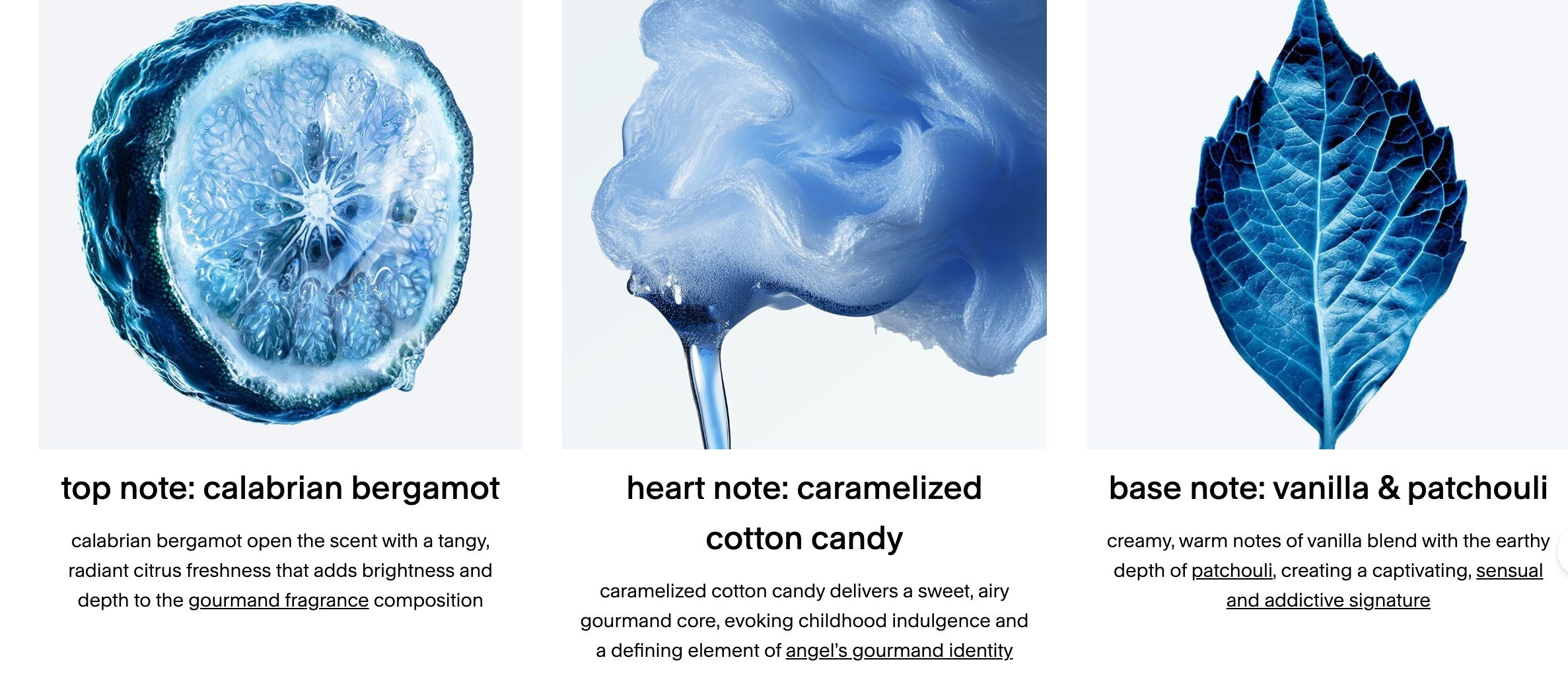
One of those rooms gave rise to Thierry Mugler’s Angel, the first modern gourmand perfume, composed of unconventional notes like coffee, cotton candy, and toffee apple. These notes were chosen for one simple reason: Mugler loved them. By Paul’s account, Angel was initially rejected by industry insiders as too sweet, too intense, and too food-like. But it ultimately changed the industry forever and, to this day, remains one of the best-selling perfumes in the world.
It was also in Paris that Paul realized that to excel in French fragrance, he also had to immerse himself in French food, wine, art, and culture. Fragrance, after all, is an expression of a much broader aesthetic worldview.
That view became the foundation of Paul's career. He developed what he calls the sensory narrative: treating fragrance not as a product, but as a way of transporting people into a memory, a place, or a feeling.
By the time Paul and I turned to his creative process, I understood why he has flourished in the world of fragrance. Paul is, unmistakably, an Alchemist.
The Alchemist’s Method
Throughout our conversation, Paul kept returning to the same idea: scent isn’t something you engineer. It’s something you feel your way toward.
When I asked Paul why fragrance still matters in a world dominated by sight and sound, his answer captured the essence of the Alchemist.
“Scent is the only sense that’s fully developed at birth, and it has the power to evoke memory much more quickly than any of the other senses. It goes to a different part of the brain.”
That belief - that scent bypasses reasoning and links directly to memory and emotion - is fundamental to how Paul is wired. He doesn't begin with a marketing brief or a market gap. He begins with a feeling and a story.
Take the project he developed for Chris Blackwell, founder of Island Records, to create a signature scent for GoldenEye, Blackwell’s resort in Jamaica. Paul didn’t start with a mood board. He started by sourcing a local spice from a Jamaican farmer. The fragrance wasn't inspired by Jamaica. It literally came from Jamaica.

Or take the scent experience Paul created for one of Bibhu Mohapatra’s fashion shows in New York. The goal was to transport guests, many of them fellow Indian Americans, into the experience of a pilgrimage in India. Paul choreographed the experience, with subtle spice notes greeting guests upon arrival before giving way to the full bloom of Indian jasmine.


This is the Alchemist’s method: begin with a feeling, a memory, or a place. Even the way Paul talks about ingredients reflects this philosophy. Asked about the most underrated fragrance note, he described ambrette as “a shapeshifter of a scent. It’s enigmatic, but it provides structure.”
And when asked what makes a scent sexy, he said he’s drawn to unexpected pairings and juxtapositions that create tension rather than harmony.
Where the Precisionist (whom I profiled in my last essay) finds beauty in structure and control, the Alchemist finds it in romance, spontaneity, and experimentation.
Looking Back…
In 1997, when I first arrived at Estée Lauder as head of corporate strategy, I did what any good former Bain consultant would do. I built PowerPoint decks filled with charts and graphs. I sized markets. I pored over consumer research. I used data to explain why people bought what they bought.
My boss at the time, the COO Fred Langhammer, immediately set me straight.
“Our customers don’t think like Bain strategists. If they did, they wouldn’t buy anything we sell. They buy our products because of how they make them feel.”
In other words, to succeed in our business, I needed to stop analyzing consumers like a Precisionist. I needed to empathize with them like an Alchemist.
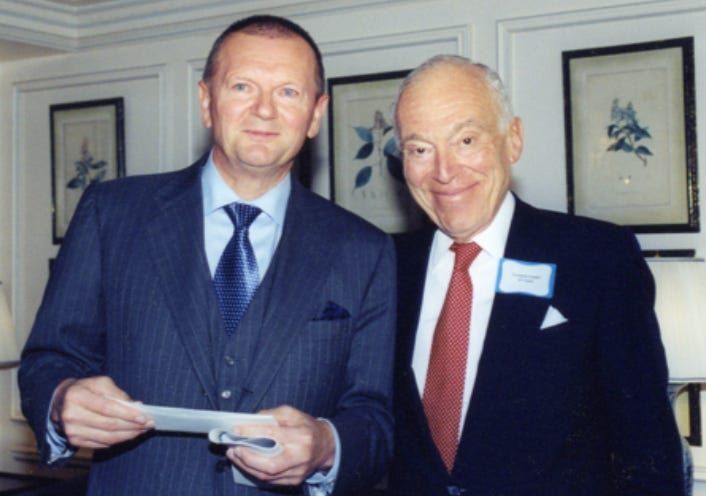
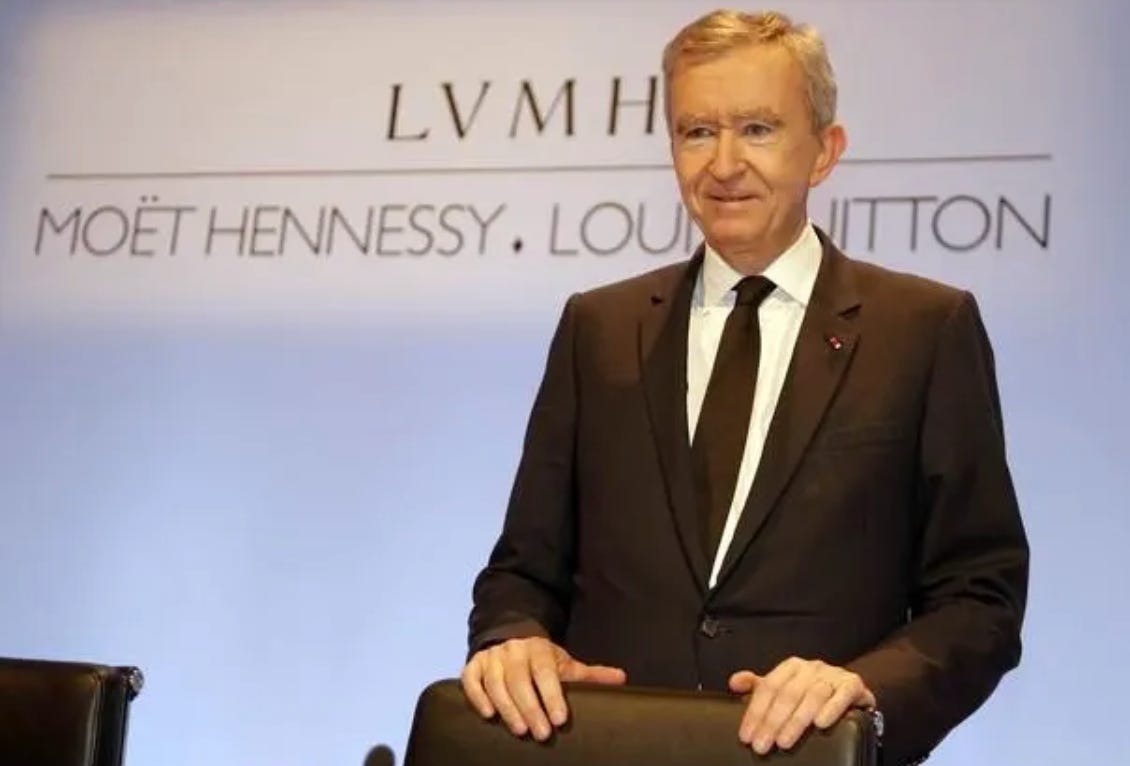
I learned a similar lesson years later at LVMH. In describing the company, LVMH Chairman Bernard Arnault, never used the word luxury.
“We’re in the business of desire,” he’d say.
That, too, reflects the worldview of an Alchemist: understanding that people don't buy luxury goods through any sort of cost-benefit analysis. They buy them because they make them feel something.
Paul knows he isn’t selling ingredients or formulas. He’s selling memory, identity, and belonging, the very things that make us feel, however briefly, like the most alive version of ourselves.
Behind Every Great Business Is the Right Archetype
Paul is a gifted creative marketer, but he would never thrive at a company like A. Lange & Söhne, as described in my last essay and podcast. The world of fine watchmaking rewards discipline, restraint, and precision. The fragrance world rewards something quite different: intuition, expressiveness, and abundance.
That isn’t a knock on either business. It’s simply a reminder that different businesses reward different aesthetic instincts. The CEO of A. Lange & Söhne finds meaning in the parts of a watch no customer will ever see. Paul finds meaning in the memories awakened by a single spritz. Both pursue excellence. They simply pursue it in different ways.
Which brings me back to the idea I return to again and again: culture is, at its core, aesthetic. The best companies don’t simply hire for skills. They hire for alignment. When the instincts of their people align with the values of the brand, culture no longer needs to be manufactured. It just is.
As AI continues to commoditize technical skills, knowing your own Aesthetic Archetype will become more, not less, important. It will help you recognize the environments where your instincts serve as an advantage rather than a liability. Just as importantly, it will help you recognize and value the aesthetic instincts of others, preparing you to be a better leader and collaborator.
Behind every great brand, every great leader, and every great creative partnership, I’ve come to believe, is the right archetype.
Cheers, Pauline
Next up, I return to the MasterClass series with practical ways to strengthen your own Aesthetic Intelligence. After that, the Aesthetic Archetypes Series continues with the profile of Larissa Roesch, an Ayurvedic wellness coach whose approach to beauty and balance embodies a very different archetype: the Naturalist.
As always, stay tuned and attuned!
For more on Aesthetic Intelligence check out our website and follow me on IG
Love this ! What aesthetic instinct the alcohol business rewards ? Belonging, Pleasure, Humour or something entirely different ?
Thank You for educating us young readers Xx
Hi Pauline,
I came across your interview on the “fashion and founders” YouTube and am so excited to learn more from you. Not only the content but the way you delivered what you had to say was interesting. I’m an inventor and an inventors daughter, dating back to the 1800’s where my ancestor invented one of the first safety pins. I’ve been exploring how to bring heritage to a new beauty brand, and how fragrance free can make a space in luxury beauty. Truly appreciate what you’re sharing and looking forward to learning.
Best,
Aubree